The Role of Chess in Enhancing Academic Performance in Children
JB
The Cognitive Benefits of Chess
Chess is more than just a game; it's a powerful educational tool that can significantly enhance children's cognitive abilities. By engaging in chess, children develop critical thinking, problem-solving skills, and the ability to strategize effectively. These skills translate directly into better academic performance, especially in subjects like mathematics and science.

One of the most profound benefits of chess is its ability to improve concentration and focus. Children learn to concentrate on the game, anticipate their opponent's moves, and plan their strategy several steps ahead. This heightened focus is a skill that can be transferred to their studies, leading to improved attention and retention of information in the classroom.
Enhancing Problem-Solving Skills
Chess requires players to think critically and solve complex problems quickly. This constant engagement in problem-solving helps children develop a mindset that is adept at tackling academic challenges. The ability to break down problems into manageable parts is crucial in subjects like math and science.
Moreover, chess encourages children to think creatively. Players must constantly adapt their strategies and come up with innovative solutions to outmaneuver their opponents. This creativity is a valuable asset in academic settings, where students are often required to approach problems from different angles.

Boosting Memory and Recall
Playing chess regularly can significantly enhance a child's memory. The game involves remembering past games, strategies, and patterns, which bolsters both short-term and long-term memory. This improved memory can aid in the retention of educational material, leading to better academic outcomes.
Furthermore, chess promotes the development of spatial skills. Understanding the board's layout and visualizing future moves require strong spatial reasoning, a skill that is directly applicable to subjects like geometry and physics.
Building Emotional Intelligence
Chess is not only about intellectual growth but also emotional development. The game teaches children how to handle winning and losing gracefully. Learning to cope with defeat positively builds resilience, a trait that helps children face academic and personal challenges.
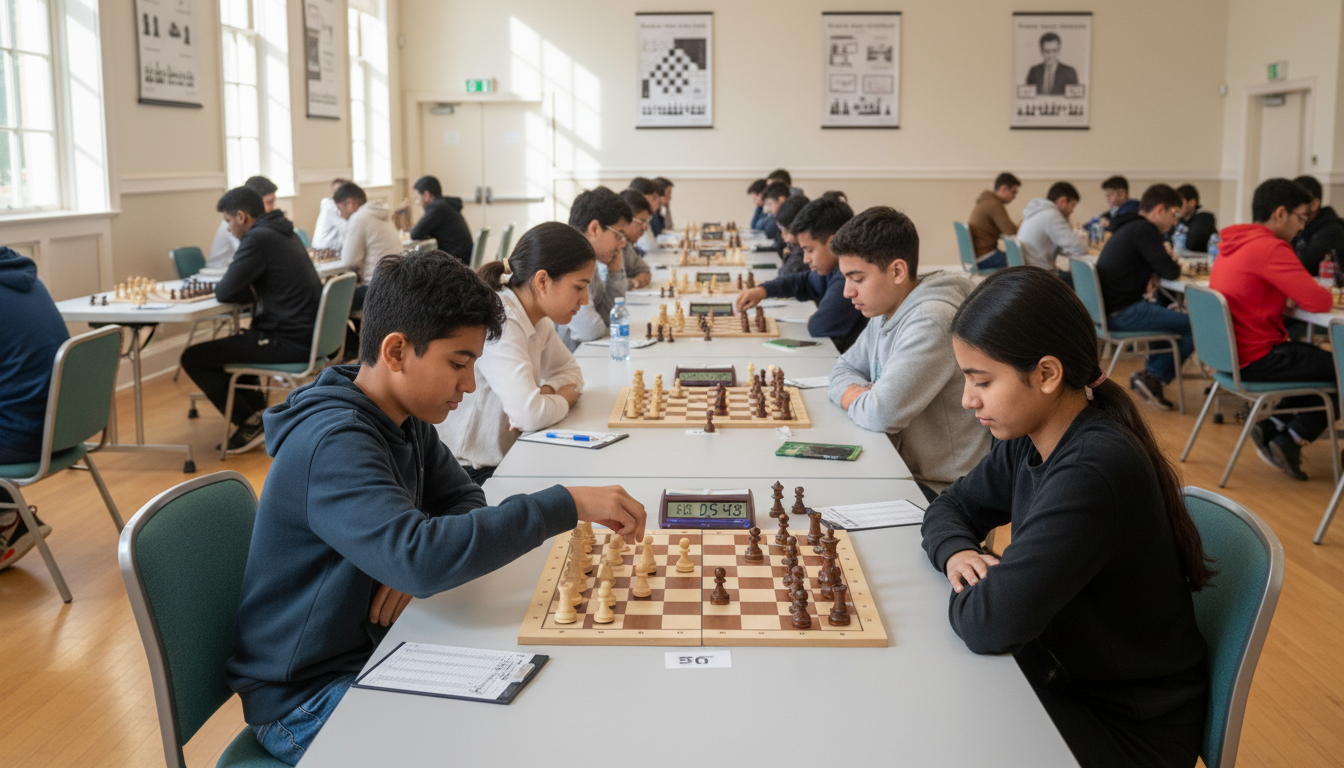
Additionally, chess fosters patience and perseverance. Games can be lengthy and require sustained concentration and effort. These qualities are crucial for academic success, where projects and learning processes often require long-term dedication.
Encouraging Social Interaction
Chess clubs and tournaments offer children the opportunity to interact with peers who share similar interests. This social interaction enhances communication skills and teamwork, which are imperative in collaborative academic projects and discussions.
Participating in chess-related activities also boosts a child's confidence. As they improve and gain recognition for their skills, their self-esteem grows, positively impacting their overall academic journey.
Conclusion
Incorporating chess into a child's routine can provide numerous educational benefits. From enhancing cognitive abilities to building emotional resilience and social skills, chess is a multifaceted tool that supports academic excellence. Encouraging children to engage with this timeless game can lay the foundation for a successful academic and personal life.