How to Support Your Child's Chess Journey at Home
JB
Understanding the Basics of Chess
Supporting your child's chess journey begins with understanding the fundamental rules and strategies of the game. Chess is not just about moving pieces; it's about strategic thinking and foresight. Spend time learning the basic rules and piece movements so you can engage with your child more effectively.
Consider reading a beginner's chess book or watching online tutorials together. This shared learning experience can be both educational and a bonding opportunity. Remember, your enthusiasm will inspire them to dive deeper into the game.
Create a Conducive Learning Environment
Setting up a dedicated space for chess at home can encourage your child to practice regularly. A quiet corner with a chessboard and some reference materials can make a big difference. Ensure the area is free from distractions to help them focus better.
Encourage regular practice by setting a routine. Whether it's a daily chess puzzle or a weekly family game night, consistency is key. This regular practice will help improve their skills over time.
Use Technology Wisely
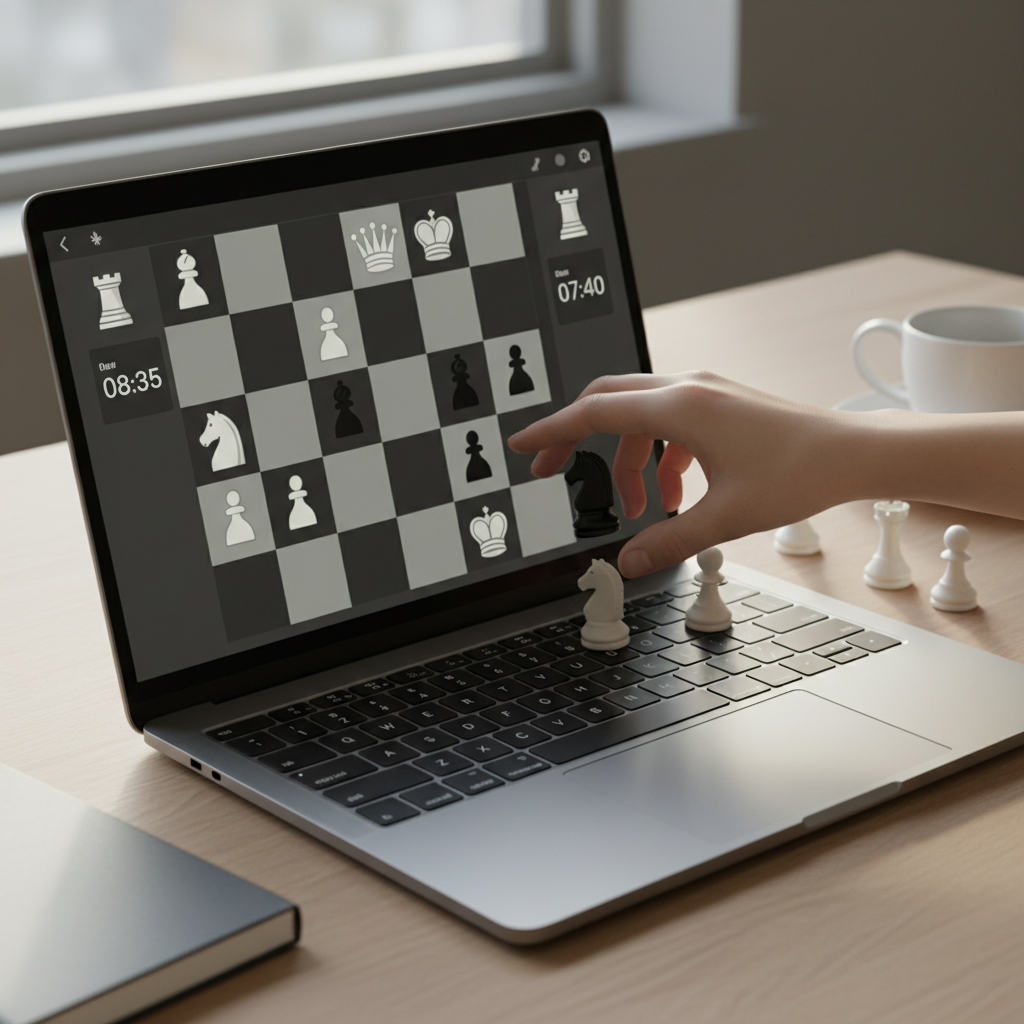
In today's digital age, there are numerous online platforms and apps designed to enhance chess skills. Platforms like Chess.com and Lichess.org offer interactive lessons and puzzles that can significantly aid in learning. Ensure your child has a kids account and a non recognisable name. Encourage your child to explore these resources while ensuring balanced screen time.
Encourage Participation in Local Clubs and Tournaments
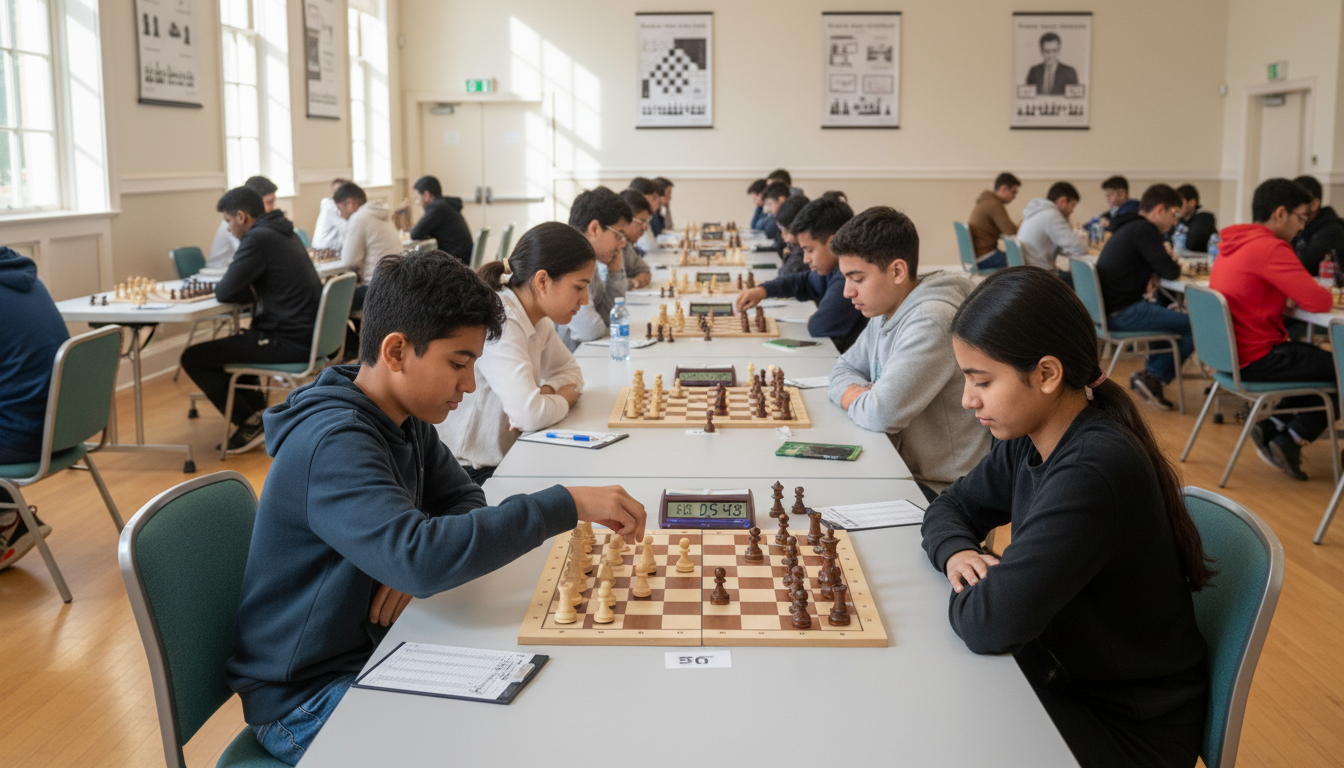
Engaging with a community of fellow chess enthusiasts can be incredibly motivating for your child. Look for local chess clubs or school teams where they can interact with peers who share their interest.
Participating in tournaments can also provide valuable experience. Encourage your child to enter local competitions, which can help them learn how to handle both victory and defeat graciously. Look out for our next tournament that will be running on 29th November.
Support Emotional Development
Chess is as much a mental challenge as it is an emotional one. It's important to teach your child resilience and patience. Emphasize that losing is a part of learning and improvement.
Provide emotional support by celebrating their successes and encouraging them after setbacks. This will help them build confidence and develop a positive attitude toward the game.
Foster a Love for the Game
Ultimately, the goal is to help your child develop a lasting love for chess. Encourage them to explore different aspects of the game, such as famous chess matches or historical grandmasters. This broader understanding can deepen their appreciation for the game.
Remember, the journey of learning chess can be as fulfilling as the destination. Enjoy the process together and watch as your child's skills and enthusiasm grow over time.